How I Use “Leaderboards” in My Study Group to Stay Motivated (a Personal Story)
Let’s be honest: studying can be a grind. There are days when the textbook feels like a lead weight, and the siren song of social media is almost impossible to resist. For most of my academic life, staying consistently motivated felt like an uphill battle. I’d start strong, then inevitably hit a wall, falling into cycles of procrastination and last-minute cramming. This all changed when my study group and I stumbled upon a surprisingly simple, yet incredibly effective, tool: the “leaderboard.” What started as a casual way to track our progress transformed into a powerful engine for motivation, accountability, and even a little friendly competition that completely revolutionized my approach to studying. This isn’t about cutthroat rivalry; it’s about harnessing the power of visible progress and peer support, and I want to share my personal journey of how it became my secret weapon.
My Initial Struggle: Drowning in Textbooks and Self-Doubt
Before the leaderboards, my study routine was, to put it mildly, chaotic. I was part of a close-knit study group for our challenging university course, but even with shared notes and discussions, individual motivation remained a huge hurdle. We’d meet, talk about our goals, and then often drift apart, only to reconvene a week later with varying degrees of progress – usually, mine being on the lower end. I’d sit down with my textbooks, a strong intention to tackle that dense chapter, and within an hour, find myself scrolling through my phone or staring blankly at the wall. The sheer volume of material often felt insurmountable, leading to a paralyzing sense of overwhelm. My internal monologue was a constant loop of “I should be doing more,” followed by “I just can’t bring myself to start.”
This lack of consistent effort didn’t just affect my grades; it chipped away at my confidence. I knew I was capable, but the gap between my potential and my actual output was disheartening. I envied classmates who seemed to effortlessly churn through assignments and readings. Our study group provided camaraderie, but it didn’t quite solve the individual struggle with self-discipline. We needed something more, something tangible that would push us forward not just collectively, but also personally, making the abstract goal of “doing well” feel more concrete and achievable.
The Spark: How Our Study Group Accidentally Stumbled Upon Gamification
The inception of our leaderboard wasn’t some grand, premeditated strategy. It began quite organically, almost by accident, out of a shared frustration before a particularly tough mid-term. We were all feeling the pressure, and during one of our weekly meet-ups, someone jokingly suggested, “Wouldn’t it be great if we could just see who’s actually put in the most hours this week?” The idea stuck. We started with a simple shared Google Sheet. Initially, it was just a column for “Hours Studied” and “Chapters Read.” Each of us would update it honestly before our next meeting. There were no prizes, no formal rules, just a shared understanding.
What happened next was fascinating. Suddenly, our casual check-ins became a little more charged. Seeing my friends’ names next to impressive numbers of hours or completed chapters provided a subtle, yet powerful, nudge. It wasn’t about being “better” than anyone, but about not wanting to be at the very bottom. That initial, almost subconscious, desire to keep up with my peers was the spark. It transformed an internal, solitary struggle into a shared, visible challenge, and the seeds of our motivational leaderboard were sown. We quickly realized we had stumbled upon a simple form of gamification without even knowing the term.
Crafting Our “Study Scorecard”: What We Tracked and Why It Worked
As our initial experiment proved surprisingly effective, we decided to formalize it a bit more. The “Study Scorecard,” as we affectionately called it, became a central part of our study group’s routine. We chose metrics that were directly tied to productive study activities and measurable progress, moving beyond just hours.

- Hours of Focused Study: This was our foundational metric. We emphasized focused hours, meaning no phone distractions, no aimless browsing. Honesty was key, and we trusted each other.
- Problems Solved/Practice Questions Completed: For subjects like math or science, this was crucial. It wasn’t enough to just read; active problem-solving cemented understanding. We’d list specific problem sets or textbook exercises.
- Chapters/Sections Read with Notes: For heavy reading courses, simply “reading” wasn’t enough. We tracked completion alongside active note-taking, ensuring deeper engagement.
- Quiz/Practice Exam Scores: This provided a direct measure of comprehension. We’d often take short, self-made quizzes or use online practice tests, and share our scores. This wasn’t for judgment but for identifying areas where we collectively (or individually) needed more work.
- Contribution to Group Discussions: A qualitative, but important, metric. We’d give each other a quick peer rating (1-5) on how much we contributed to problem-solving, explaining concepts, or clarifying doubts during our group sessions. This encouraged active participation and collaborative learning.
We weighted these metrics based on their importance to our course, creating a cumulative “Study Score” for the week. The “why” behind this system was multifaceted. Firstly, it broke down the monolithic task of “studying” into smaller, trackable achievements. Each completed problem set or chapter became a mini-victory. Secondly, the visibility of everyone’s progress created a sense of positive peer pressure. I didn’t want to fall too far behind, but more importantly, I felt a surge of pride when I saw my numbers climbing. We used a simple Notion database, which allowed for easy updates and visual tracking, making our progress transparent and accessible to everyone in the group at all times.
Beyond Bragging Rights: The Unexpected Boosts to My Learning Journey
While the initial motivation might have been a subtle desire to keep pace, the leaderboards quickly offered much more profound benefits to my learning journey. It wasn’t just about topping the chart; it was about the fundamental shifts in my approach to studying.
A New Level of Accountability and Self-Awareness
Suddenly, my study sessions weren’t just for me. Knowing I had to report my progress to the group created a powerful external accountability mechanism. This was particularly effective on those days when motivation was low. Instead of thinking, “I’ll just skip this chapter,” I’d think, “I need to log my progress for the group.” This simple shift often provided the initial push I needed to get started. Moreover, the detailed tracking made me incredibly self-aware. I could see patterns: on weeks where my “hours studied” were low, my “quiz scores” often reflected it. This data-driven insight was invaluable for understanding my own learning process and identifying when I needed to adjust my habits.
Visualizing Progress: The Antidote to Overwhelm
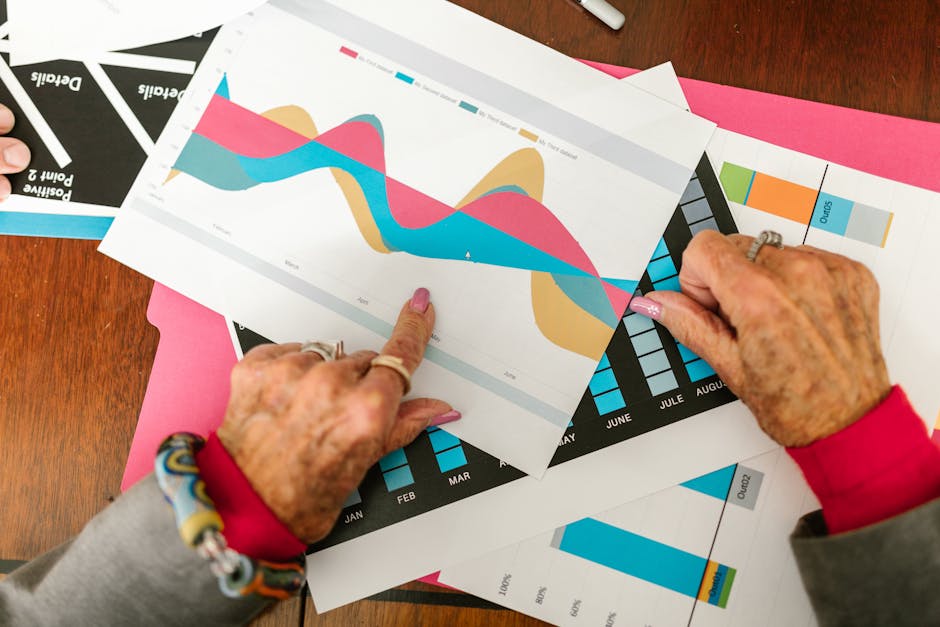
One of the biggest struggles I faced was the feeling that I wasn’t making any progress, especially with vast amounts of material. The leaderboard, with its weekly updates and cumulative scores, became a powerful visual representation of my efforts. Seeing my “problems solved” count steadily increase, or watching my “study score” climb week after week, was incredibly validating. It transformed abstract effort into tangible achievement. This concrete evidence of progress was a massive antidote to the feeling of being overwhelmed, showing me that every small step truly did add up.
Fostering True Peer Encouragement and Collaborative Learning
Despite the “competition” implied by a leaderboard, our group dynamic became more collaborative, not less. When someone had a particularly high score in a specific area, we’d naturally ask them for tips or clarification. “Hey, how did you manage to get through so many problems this week? Any strategies?” This led to sharing effective effective study habits, explaining difficult